
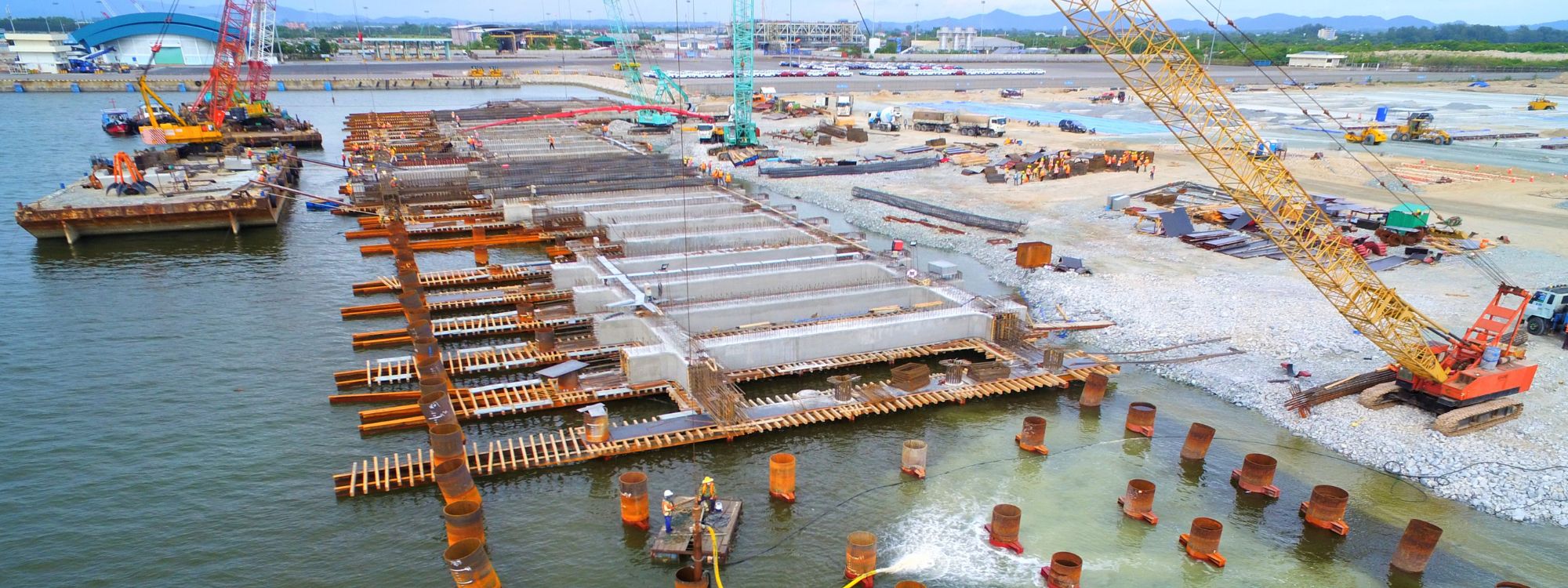
Planning Marine Construction for Waterfront Redevelopment Projects in Tampa Bay
Summary
Waterfront redevelopment projects involve far more than what is built above the shoreline. Marina infrastructure, seawall systems, dredging requirements, vessel access, permitting, and construction sequencing all play a role in determining how successfully a project moves from concept to completion. This article explores why early marine construction planning is an important part of waterfront redevelopment throughout Tampa Bay, how it helps identify infrastructure challenges before they impact schedules, and why developers, municipalities, engineers, and project teams often incorporate marine construction considerations during the earliest stages of project planning.
Planning Marine Construction for Waterfront Redevelopment Projects in Tampa Bay
Waterfront Redevelopment Projects continue to reshape some of the most recognizable areas throughout Tampa Bay.
From mixed-use developments and marina districts to public waterfront improvements and large-scale investment projects, communities across Hillsborough, Pinellas, Pasco, and Manatee counties are placing renewed attention on the water. New residential developments, hospitality projects, entertainment districts, public gathering spaces, and commercial waterfront destinations are becoming major drivers of economic growth throughout the region.
When these projects are announced, attention naturally focuses on the finished product. Renderings showcase waterfront restaurants, luxury residences, marinas, pedestrian promenades, public parks, and retail space.
The work that makes those projects possible rarely receives the same attention.
Before foundations are poured and buildings begin rising, marine infrastructure often determines the success of the entire development.
Shoreline conditions, seawall infrastructure, dredging requirements, vessel access, waterfront permitting, and marina planning all influence how a project moves forward. Decisions made during the early stages of marine construction planning can affect budgets, construction schedules, public access, long-term maintenance requirements, and future expansion opportunities for decades.
Most Waterfront Projects Begin Long Before Vertical Construction
Many redevelopment sites arrive with existing infrastructure challenges.
An aging seawall may no longer support future development goals. Sediment accumulation may limit marina access. Shoreline erosion may affect site stability. Existing waterfront infrastructure may not align with the vision for the property.
Addressing those conditions early creates opportunities later.
Successful waterfront redevelopment projects typically begin with a clear understanding of the site’s marine infrastructure requirements. That process often includes evaluating shoreline stability, water depths, existing seawalls, vessel navigation needs, future marina capacity, environmental constraints, and long-term development objectives.
Marine construction planning is not simply about solving today’s problems. It is about understanding how today’s decisions will support tomorrow’s development.
No Two Shorelines Present the Same Conditions
One of the biggest misconceptions in waterfront development is assuming that marine construction follows a predictable formula.
It doesn’t.
A project along the St. Petersburg waterfront may have entirely different infrastructure requirements than a redevelopment site in Bradenton. A marina expansion project on Tampa Bay presents different challenges than a mixed-use development along a riverfront corridor.
Water movement, shoreline composition, vessel traffic, environmental conditions, existing infrastructure, and permitting requirements vary significantly from site to site.
That reality is why early evaluation matters.
Understanding site-specific conditions allows development teams to establish realistic project schedules, prioritize infrastructure investments, and identify potential challenges before construction begins.

Marine Construction Decisions Affect Every Phase That Follows
Few construction disciplines influence project sequencing as heavily as marine construction.
Seawall construction, dredging operations, shoreline stabilization, marina infrastructure improvements, and waterfront access enhancements often occur before other major development activities can move forward.
When marine infrastructure planning is delayed, the impact can extend throughout the project.
Utility coordination, site access, vertical construction schedules, public improvements, and future development phases can all be influenced by waterfront construction activities.
Development teams that integrate marine construction planning into the early stages of project development often gain greater flexibility throughout the life of the project.
The goal is not simply moving dirt or installing infrastructure.
The goal is creating a stable foundation that supports everything that follows.
A Seawall Can Become Part of the Development Itself
For many redevelopment projects, a seawall serves a much larger purpose than shoreline protection.
Modern seawall infrastructure frequently becomes part of the public experience.
Pedestrian promenades, public gathering areas, outdoor dining spaces, marina districts, hospitality venues, and mixed-use developments often rely on seawall systems as part of the overall site design.
A well-designed seawall can support shoreline stability while contributing to the usability and long-term functionality of the waterfront itself.
As redevelopment activity continues throughout Tampa Bay, seawall infrastructure is increasingly being viewed as an investment in both protection and placemaking.
Water Depth Can Determine What a Property Becomes
Some of the most important redevelopment decisions happen below the waterline.
Water depth influences vessel access, marina operations, future expansion opportunities, public boating access, and long-term waterfront usability.
Sediment accumulation can gradually limit those opportunities.
Commercial dredging projects often play an important role in restoring navigability, supporting marina operations, improving vessel circulation, and preparing waterfront properties for future development.
For marina districts, hospitality projects, and mixed-use waterfront developments, dredging may directly influence how the property functions once construction is complete.
A waterfront destination only works if people can access the water.
Marina Development Continues to Shape Tampa Bay’s Waterfront Future
Across the region, marina infrastructure remains one of the most valuable components of waterfront redevelopment.
Marinas create activity. They support tourism. They attract investment. They contribute to waterfront economies while creating destinations that serve residents, visitors, and businesses alike.
As redevelopment activity expands throughout Tampa Bay, marina infrastructure is becoming increasingly integrated into larger mixed-use developments rather than existing as standalone facilities.
Modern marina planning often includes waterfront dining, hospitality venues, public gathering spaces, retail opportunities, recreational amenities, and expanded public access to the shoreline.
These projects require careful coordination between developers, engineers, municipalities, construction managers, and marine contractors.
When planned effectively, marina infrastructure can become one of the most valuable long-term assets within a waterfront development.
Collaboration Is What Moves Complex Projects Forward
Large waterfront projects rarely succeed because of a single discipline.
Successful projects are built through coordination.
Developers, civil engineering firms, marine engineering teams, municipalities, environmental consultants, construction managers, procurement professionals, and marine contractors all contribute to the final outcome.
The strongest projects typically share one characteristic.
Infrastructure planning begins early.
When shoreline conditions, marine construction requirements, dredging needs, vessel access considerations, and waterfront infrastructure goals are addressed during the planning process, project teams are often better positioned to make informed decisions throughout development.
Tampa Bay’s Next Generation of Waterfront Development
Tampa Bay continues to experience significant investment along its waterfront corridors.
Projects throughout Tampa, St. Petersburg, Bradenton, and surrounding communities are redefining how people live, work, gather, and interact with the water.
As these developments move from concept to construction, marine infrastructure will continue serving as one of the most important components of project success.
Buildings often become the visual centerpiece of redevelopment.
Marine construction creates the foundation that allows those projects to function for decades. For waterfront redevelopment projects, planning begins at the shoreline. In many cases, it begins below the waterline.
FAQs
Marine construction planning is most effective when it begins during the earliest stages of project feasibility and site evaluation. Bringing marine contractors, engineers, and infrastructure specialists into the conversation before final design work is completed can help identify shoreline constraints, seawall requirements, dredging needs, marina infrastructure opportunities, permitting considerations, and construction sequencing challenges. Early planning often provides greater flexibility and can help project teams avoid costly revisions later in the development process.
Many delays occur when marine infrastructure requirements are discovered after development plans have already progressed. Existing seawalls may require replacement, dredging may be needed to support vessel access, permitting requirements may be more extensive than anticipated, or shoreline stabilization needs may impact construction sequencing. Waterfront projects involve additional layers of coordination that are not always present in inland developments. Addressing these factors early typically improves schedule certainty and project forecasting.
Marine infrastructure frequently supports later phases of development. Seawall construction, dredging operations, shoreline stabilization, marina basin improvements, and waterfront access infrastructure often need to be completed before vertical construction, utility installation, public improvements, or marina facilities can move forward. Understanding these dependencies during planning helps project teams establish more realistic schedules and coordinate activities more effectively.
Dredging is often an important component of waterfront redevelopment projects that include marina facilities, commercial waterfront uses, public boating access, or mixed-use developments connected to the water. Sediment accumulation can affect vessel access, marina functionality, and long-term waterfront usability. Dredging may be necessary to restore water depth, improve navigability, support marina expansion plans, or prepare a site for future development.
Permitting timelines can vary significantly depending on project scope, location, environmental conditions, and proposed improvements. Marine construction activities such as seawall installation, dredging, shoreline stabilization, marina development, and public waterfront access improvements often involve multiple agencies and review processes. Understanding permitting requirements early allows project teams to build more realistic timelines and reduce uncertainty during project execution.


